20 Years of Medical Experience · Cardiology & Interventional Cardiology · Appointment & second-opinion requests Call: +91 88822 65637 · WhatsApp This website is not for emergencies. For severe or sudden symptoms, seek local emergency care.
20 Years of Medical Experience · Interventional Cardiology

Two decades of experience. Precision in cardiac care.

Dr. (Major) Ajit Pratap Singh brings 20 years of medical experience to patient evaluation, interventional cardiology, cardiac procedure planning, follow-up and specialist second opinions.

20 Years Experience MBBS MD (Medicine) · Army Hospital (R&R) DM (Cardiology) · KGMC, Lucknow
About the doctor

20 years of medical experience, shaped by medicine, the Army and advanced cardiology.

With 20 years of medical experience, Dr. (Major) Ajit Pratap Singh brings together a broad internal-medicine foundation, an Army background, postgraduate medicine training at Army Hospital (Research & Referral), and super-specialty cardiology training at KGMC, Lucknow. His patient-care approach emphasises structured assessment, clear communication, appropriate intervention and disciplined follow-up.

20 YearsMedical experience
Army BackgroundService-oriented clinical discipline
Interventional CardiologyCoronary, peripheral, device, structural and valve interventions
MBBSMedical qualification
MD (Medicine)Army Hospital (Research & Referral)
DM (Cardiology)KGMC, Lucknow
Interventional focusCoronary & peripheral angiography / angioplasty, pacemaker, ICD, CRT, EPS-ablation, ASD / VSD / PDA device closure, TAVI, MitraClip & TEER
Army & clinical journey

A more refined view of a career shaped by service, medicine and cardiology.

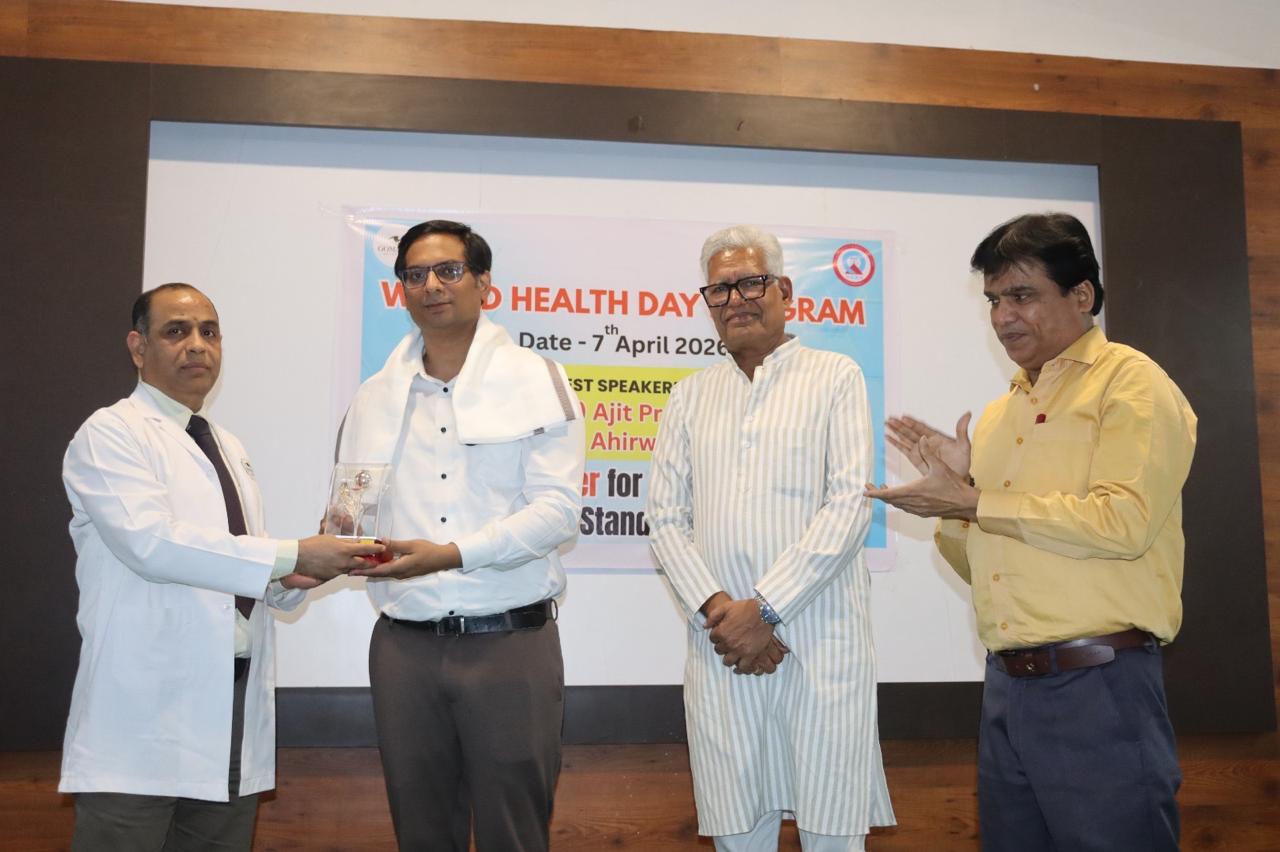
Rather than treating the photographs as a casual gallery, this section presents them as part of a professional narrative: 20 years of medical experience, early Army service, disciplined clinical training, and a continuing focus on cardiology and patient care.

Professional profile

20 years of medical experience with a service-first identity.

Dr. (Major) Ajit Pratap Singh’s profile is distinguished not only by his qualifications, but also by the discipline, preparedness and responsibility shaped through his Army background. That foundation later evolved through advanced internal medicine and super-specialty cardiology training.

01
20 Years of Medical Experience

A clinical journey built across medicine, cardiology, patient evaluation, intervention planning and longitudinal follow-up.

02
Army & Army Hospital foundation

Army service and postgraduate medicine training at Army Hospital (Research & Referral) shaped a structured and disciplined approach to care.

03
Advanced cardiology focus

DM (Cardiology) from KGMC, Lucknow, with emphasis on consultation, coronary assessment, cardiac interventions and second opinions.
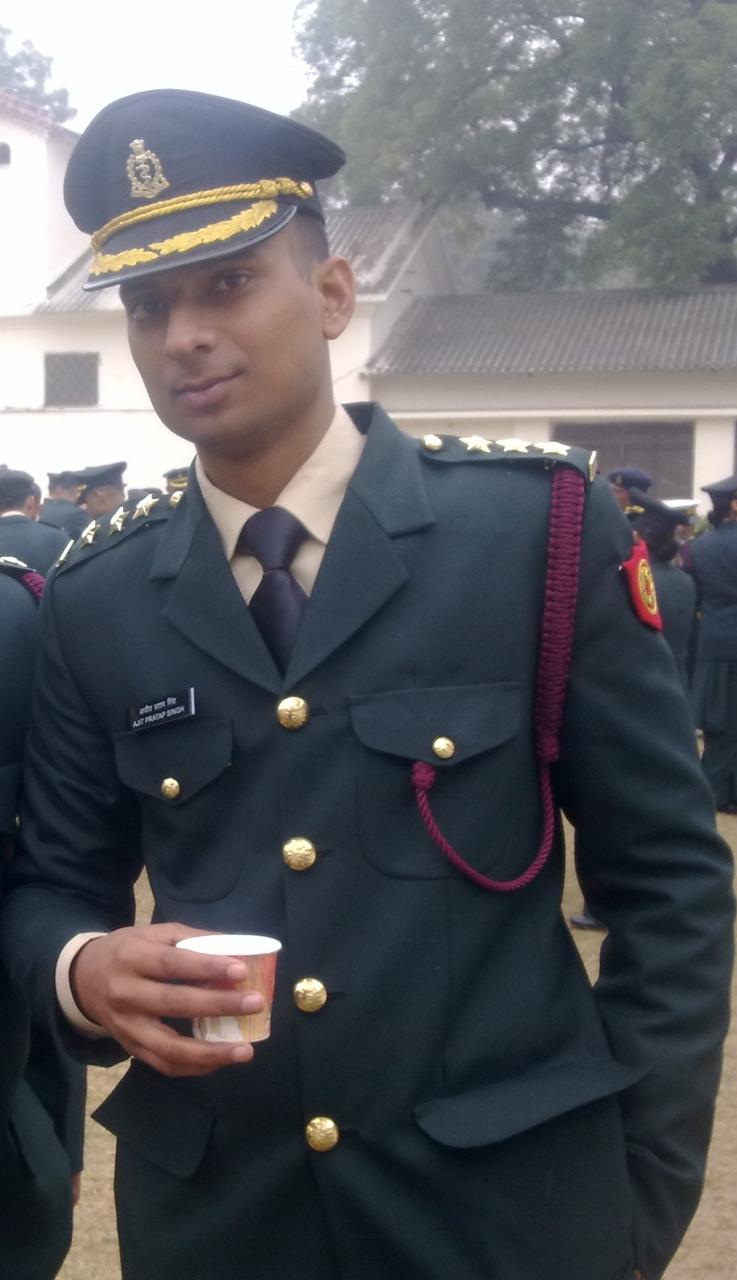

Cardiac interventions · 20 years of clinical experience

Comprehensive interventional cardiology across coronary, structural, rhythm and peripheral procedures.

Dr. Singh’s interventional practice encompasses diagnostic and therapeutic cardiac procedures across coronary artery disease, peripheral vascular disease, cardiac rhythm disorders, structural heart disease and transcatheter valve therapies. The exact procedure is selected only after clinical assessment, imaging and discussion of appropriate alternatives. Each category below now includes a visual guide to help patients understand the treatment in a simpler way.

01

Coronary & Peripheral Interventions

Catheter-based diagnosis and treatment of coronary and selected peripheral vascular disease.

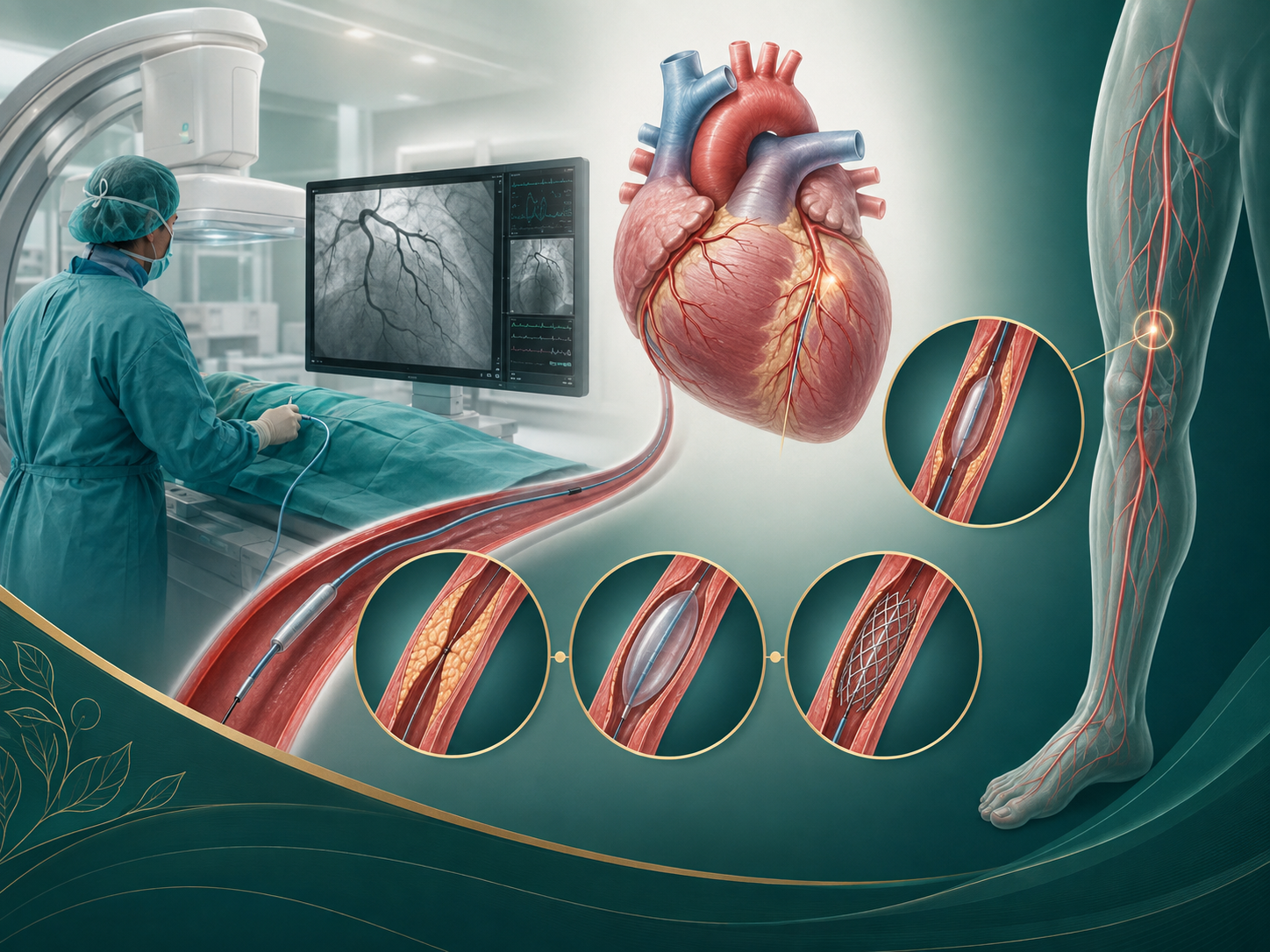
Illustrative visual guide for coronary and peripheral angiography and angioplasty
Visual guide: coronary angiography, coronary angioplasty / PCI, peripheral angiography and peripheral angioplasty.
Coronary AngiographyDiagnostic catheter-based assessment of coronary arteries.
Coronary Angioplasty / PCI & StentingPercutaneous treatment of selected coronary narrowing or blockage.
Peripheral AngiographyImaging of peripheral arteries to assess vascular narrowing or obstruction.
Peripheral AngioplastyCatheter-based treatment of selected peripheral arterial lesions.
02

Cardiac Rhythm & Device Therapy

Evaluation and interventional management of selected rhythm and conduction disorders.

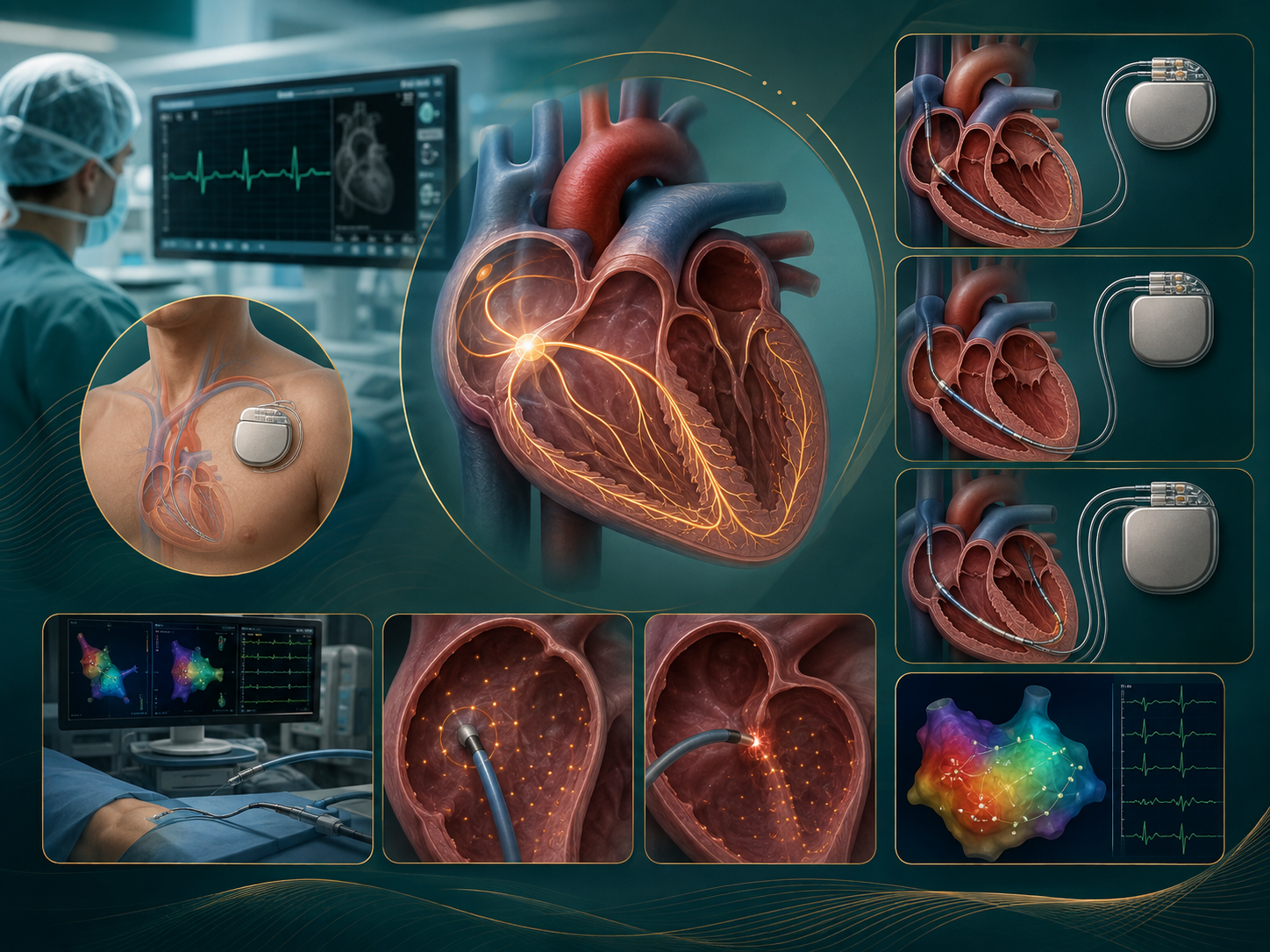
Illustrative visual guide for pacemaker, ICD, CRT, EPS and ablation
Visual guide: pacemaker, ICD, CRT, electrophysiology study and catheter ablation.
Pacemaker ImplantationDevice therapy for selected slow or abnormal heart rhythms.
ICDImplantable cardioverter-defibrillator therapy for selected patients at risk of dangerous ventricular arrhythmias.
CRTCardiac resynchronization therapy for selected patients with heart failure and electrical dyssynchrony.
EPS & AblationElectrophysiology study and catheter ablation for selected cardiac rhythm disorders.
03

Structural Heart Interventions

Catheter-based closure and transcatheter therapies for selected structural heart conditions.

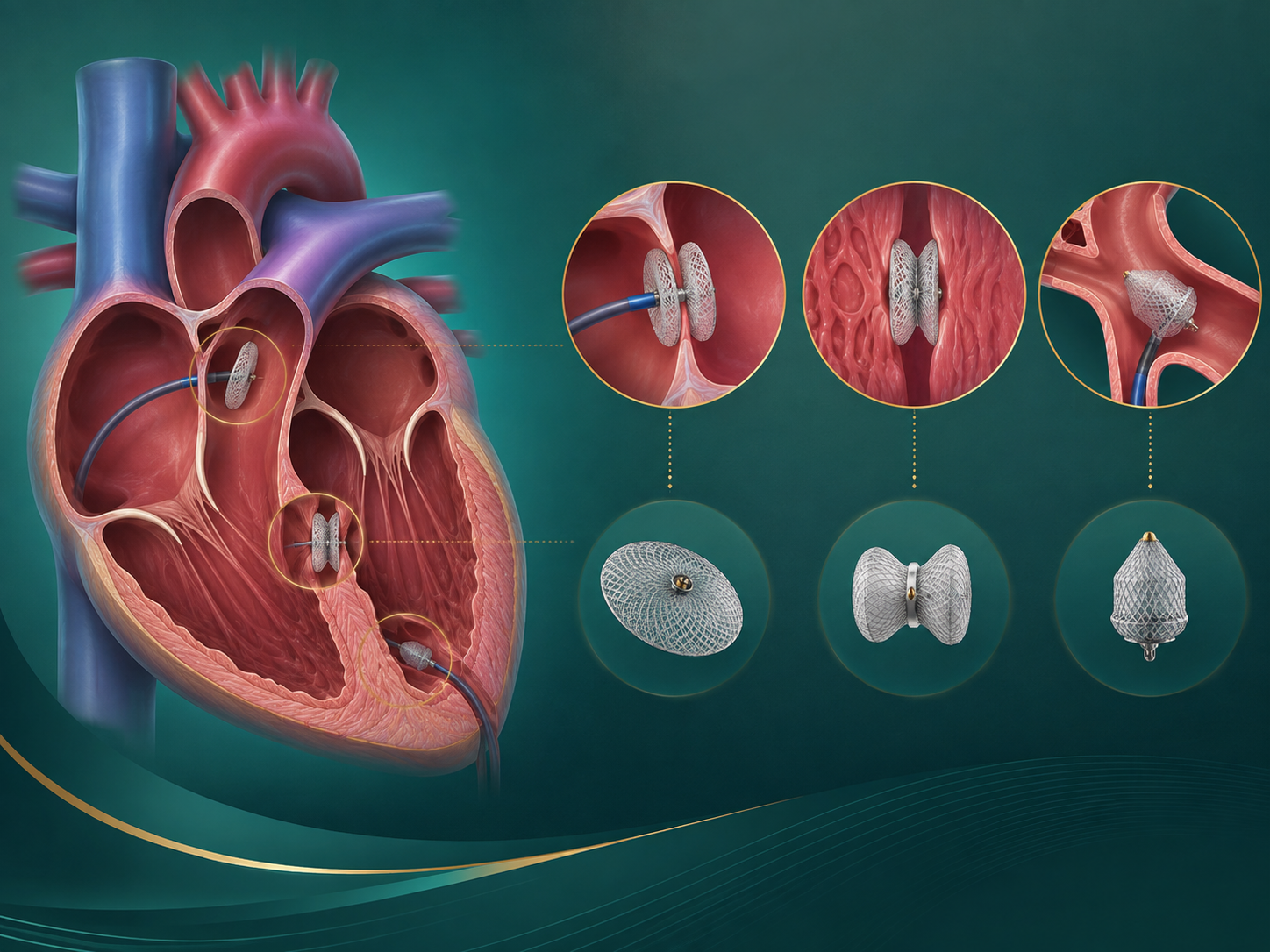
Illustrative visual guide for ASD, VSD and PDA device closure
Visual guide: transcatheter device closure for ASD, VSD and PDA.
ASD Device ClosureTranscatheter closure of selected atrial septal defects.
VSD Device ClosureCatheter-based closure of selected ventricular septal defects where appropriate.
PDA Device ClosureTranscatheter closure of selected patent ductus arteriosus.
04

Advanced Transcatheter Valve Therapies

Contemporary catheter-based options for selected valvular heart disease.

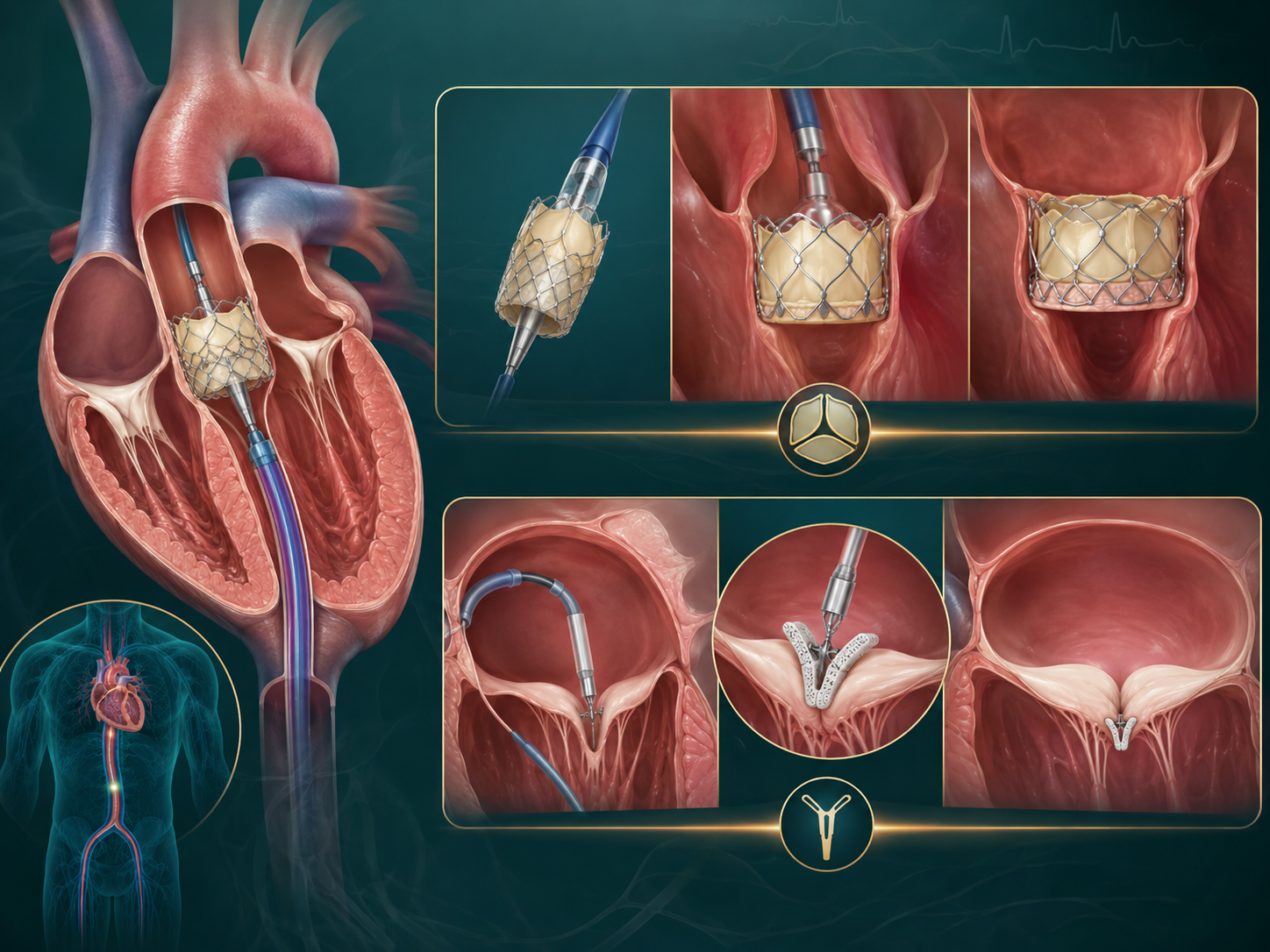
Illustrative visual guide for TAVI, MitraClip and TEER
Visual guide: TAVI / TAVR, MitraClip and transcatheter edge-to-edge repair.
TAVI / TAVRTranscatheter aortic valve implantation/replacement for selected patients with aortic valve disease.
MitraClip / Mitral TEERTranscatheter edge-to-edge repair for selected patients with mitral regurgitation.
TEERTranscatheter edge-to-edge repair pathways for appropriate structural heart indications.
Clinical suitability comes first. Procedure selection depends on symptoms, anatomy, imaging, comorbidities, guideline-based assessment and facility availability. Not every intervention is suitable for every patient.
A better patient pathway

From symptoms to a clear plan.

Cardiac care is easier to navigate when each step is explained. The website guides patients from first contact through records review, consultation, procedure discussion and follow-up.

Records before consultation
Bring ECGs, echocardiography, angiography images/reports, discharge summaries and a medicine list when available.
Options, not assumptions
A procedure should follow clinical assessment, not replace it.
Follow-up matters
Post-procedure medicines, risk-factor control and scheduled review are part of cardiac care.
How consultation works

A simple four-step experience.

The workflow supports routine consultation, second opinion and pre-/post-intervention review.

STEP 01

Share the concern

Describe symptoms, diagnosis, prior intervention and the purpose of consultation.

STEP 02

Prepare records

Keep reports and a current medication list ready. Avoid sending highly sensitive identity documents through an unverified channel.

STEP 03

Clinical discussion

Review symptoms, risk, investigations and treatment choices in the appropriate care setting.

STEP 04

Plan & follow-up

Clarify medicines, procedure preparation if needed, warning signs and review timing.

Academic & research contributions

Research engagement alongside clinical cardiology.

In addition to clinical work, Dr. (Major) Ajit Pratap Singh has contributed to cardiology research and academic presentations. The selected publications below reflect interests in acute coronary syndromes, lipid management and heart-failure follow-up.

Research Abstract

Low Density Lipoprotein Cholesterol Levels at Baseline and the Need for Additional Non Statin Lipid Lowering Therapy for Attaining Lipid Targets in Patients Presenting With Acute Coronary Syndromes – A Retrospective Study

Circulation. 2023;148:A18795 · Originally published 6 Nov 2023

Listed among the authorship group that includes Ajit Pratap Singh. This abstract focuses on LDL cholesterol levels, acute coronary syndromes and the need for additional lipid-lowering therapy to achieve targets.

Research Abstract

Impact of Intense Smartphone Application Based versus Routine Outpatient Follow-Up on Short Term Clinical Outcomes in Acute Decompensated Heart Failure (ADHF)

Circulation. 2023;148:A13569 · Originally published 6 Nov 2023

Listed among the authorship group that includes Ajit Pratap Singh. This work explores short-term clinical outcomes in acute decompensated heart failure and compares app-based follow-up with routine outpatient care.

Patient reviews

What patients value about their cardiac care.

★★★★★
“Dr. Singh explained my angiography findings very clearly and answered every question before we decided on angioplasty. The discussion gave my family confidence about the next step.”
R. Sharma · Coronary intervention
★★★★★
“I came for a second opinion with several reports. Everything was reviewed systematically and the treatment options were explained without rushing the decision.”
M. Verma · Second opinion
★★★★★
“The pacemaker procedure and follow-up instructions were explained in simple language. I especially appreciated the clarity about medicines, activity and warning signs.”
S. Khan · Device therapy
★★★★★
“The consultation was calm and detailed. Instead of focusing only on the procedure, Dr. Singh discussed long-term heart care, risk factors and the importance of regular follow-up.”
A. Mehta · Cardiology consultation
★★★★★
“Our family had many concerns about the cardiac procedure. The entire plan was explained step by step, including alternatives and what to expect after discharge.”
P. Singh · Family feedback
★★★★★
“A very professional and reassuring experience. My previous cardiac records were reviewed carefully and the follow-up plan was practical and easy to understand.”
N. Gupta · Follow-up care
Patient education

Cardiology blogs that answer common questions.

Educational articles are written in plain language and include links to recognised cardiovascular sources. They are not a substitute for individual medical advice.

Procedure Guide · 7 min

Coronary Angiography vs Angioplasty: What Is the Difference?

Why one procedure looks at coronary arteries while the other may be used to treat a selected narrowing.

Read article →
Emergency Awareness · 6 min

Chest Pain: When Should You Seek Emergency Care?

Understand symptoms that should not be managed through a website query or routine appointment request.

Read article →
After PCI · 8 min

Life After a Coronary Stent: The Questions Patients Often Ask

Medicines, follow-up, physical activity and why stopping prescribed antiplatelet medicines without advice can be dangerous.

Read article →
Prevention · 7 min

High Blood Pressure and the Heart: Why Control Matters

A practical overview of why blood pressure is part of long-term cardiovascular risk reduction.

Read article →
Consultation Prep · 5 min

Preparing for a Cardiology Second Opinion

Which records make a consultation more useful and what questions patients may want to prepare.

Read article →
Heart Health · 6 min

After a Cardiac Procedure: Building the Follow-Up Habit

Why procedure success and long-term prevention are different parts of the same care journey.

Read article →
Appointment request

Request an appointment in under two minutes.

Submit the form and your appointment request will be prepared for WhatsApp to +91 88822 65637. You can also call directly for appointment coordination.

Privacy:Do not enter Aadhaar, passport numbers, insurance IDs or other unnecessary identity data. For emergencies, contact local emergency services instead of submitting this form.
Your appointment request


Your patient query
Ask a query

Share a concise question before your visit.

Use this for routine concerns, report-review requests, procedure questions and second-opinion enquiries. The prepared query can be sent directly on WhatsApp to +91 88822 65637. Do not wait for a website reply if symptoms may represent a medical emergency.

Useful details to mention

Age and major known diagnoses
Key symptoms and when they started
Any prior angiography, stent, bypass or pacemaker
Current heart medicines if relevant
The specific question you want answered
Frequently asked questions

Before you book.

Does submitting the form confirm an appointment?

No. No. It prepares a WhatsApp request for Dr. Singh’s contact number. Appointment status must still be confirmed by the doctor or clinic team.

Can I send angiography images or medical reports through this website?

The demo intentionally does not upload files. A production version should use an approved, secure clinical channel with appropriate privacy controls.

Can the website tell me whether I need angioplasty?

No. That decision requires clinical assessment and may depend on symptoms, investigations, coronary anatomy and alternative treatments.

Is online advice suitable for severe chest pain or breathlessness?

No. Severe, sudden or concerning symptoms need urgent local medical assessment. Do not wait for a website response.

Can I request a second opinion after angiography?

Yes. A useful second-opinion review may include the angiography report/images, ECG, echocardiography, relevant blood tests, discharge summary and current medicines, depending on the case.

20 years of experience. One clear cardiac plan.

Request a cardiology consultation, intervention review or specialist second opinion.